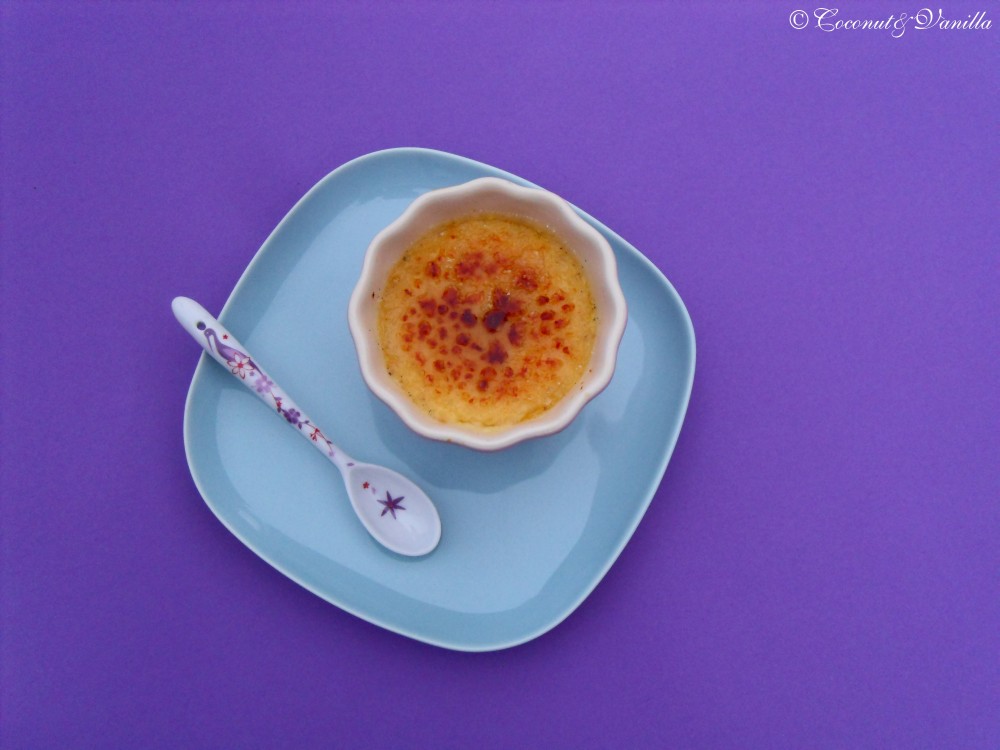
Perfect Crème Brûlée: Tips for Success & Easy Variations
The delightful sound of a spoon cracking through a thin, caramelized sugar crust to reveal a silky-smooth, cool vanilla custard beneath – that's the quintessential Crème Brûlée experience. This classic French dessert, literally meaning "burnt cream," has captivated palates worldwide with its exquisite contrast of textures and temperatures. Whether you're a seasoned home cook or a culinary novice, mastering this elegant treat is entirely within reach. In this comprehensive guide, we'll demystify the art of Crème Brûlée, offering expert tips for guaranteed success and inspiring you with creative variations to make it your own.The Essence of Classic Crème Brûlée (and the German 'Creme Brulee Rezept')
At its heart, Crème Brûlée is a deceptively simple dessert, typically composed of rich egg yolks, heavy cream, a touch of milk, sugar, and, most importantly, vanilla. The magic lies in the precise technique that transforms these humble ingredients into a luxurious custard, topped with that signature brittle sugar shell. Its popularity transcends borders and languages; you'll find enthusiasts searching for a reliable "Creme Brulee Rezept" (the German term for Crème Brûlée recipe) just as eagerly as those looking for "Crème Brûlée recipe" in English, testament to its universal appeal. While often compared to other creamy desserts, Crème Brûlée holds its own distinct identity. The Spanish Crema Catalana, for instance, is similar but traditionally made exclusively with milk and often flavored with citrus and cinnamon, cooked on the stovetop rather than baked in a water bath. Other relatives include Flan and Crème Caramel, which are also egg-based custards but typically baked with a liquid caramel base that becomes a sauce, and lack the distinctive, brittle sugar crust applied just before serving. The unique "crack" is what truly sets Crème Brûlée apart, offering an unparalleled sensory experience. For a deeper dive into the classic preparation, check out our guide on Master the Classic Crème Brûlée Recipe at Home.Mastering the Crème: Step-by-Step Success
Achieving that perfect, velvety custard requires attention to detail. Here’s how to ensure your Crème Brûlée is consistently flawless:1. Quality Ingredients are Key
- Vanilla: Don't skimp on vanilla. A fresh vanilla bean, with its scraped seeds and even the pod infused into the cream, provides an unparalleled depth of flavor. Good quality vanilla extract or paste can be a substitute, but the bean is truly superior.
- Dairy: While a mix of milk and heavy cream is traditional, you can play with the ratios. Using a higher proportion of heavy cream will yield an even richer, more decadent custard. Some variations even incorporate crème fraîche or crème double for an extra tang and richness, but always maintain the correct ratio of total liquid to egg yolks for proper setting.
- Eggs: Use fresh, large egg yolks. They are the backbone of your custard.
2. Gentle Mixing is Essential
Combine your egg yolks, sugar, and vanilla in a mixing bowl. Heat your cream and milk (with the vanilla pod, if using) until just simmering, then slowly temper the hot liquid into the egg mixture while whisking continuously. This prevents the eggs from scrambling. After combining, gently whisk the mixture until just smooth. Avoid over-whisking or creating too many air bubbles, as these can lead to a less smooth texture and an uneven top. Passing the mixture through a fine-mesh sieve is an excellent tip to catch any bits of vanilla pod or stray egg, ensuring a supremely silky custard.3. The Indispensable Water Bath (Bain-Marie)
This step is non-negotiable for perfectly cooked Crème Brûlée. A water bath (or bain-marie) ensures that the custard cooks gently and evenly, preventing it from curdling, cracking, or becoming rubbery.- Choose the Right Ramekins: For optimal results, use shallow, oven-safe ramekins that are 10-12 cm (approximately 4-5 inches) in diameter and no more than 4 cm (about 1.5 inches) high. Their shallow design promotes even cooking and a good surface area for the caramel crust.
- Prepare the Bath: Place your filled ramekins (don't overfill, leave a little room at the top) into a larger roasting pan or deep baking dish. Carefully pour hot (but not boiling) water into the larger pan until it reaches halfway up the sides of the ramekins. This creates a moist, consistent cooking environment.
4. Baking Low and Slow
Preheat your oven to 120°C (250°F) on the convection setting (or 150°C/300°F for conventional ovens). Bake the custards in the water bath for 40-50 minutes. The cooking time can vary slightly depending on your oven and ramekin size.The Jiggle Test: The Crème Brûlée is done when the edges are set, but the center still has a slight, delicate jiggle when you gently shake the ramekin. It should not be runny, but also not as firm as pudding. It will continue to set as it cools.
5. Cooling and Chilling
Once baked, carefully remove the ramekins from the water bath (use tongs or a spatula) and let them cool completely on a wire rack at room temperature. Then, transfer them to the refrigerator and chill for at least 1-2 hours, or ideally longer, until thoroughly cold. This chilling process is crucial for the custard to fully set and achieve its optimal creamy texture.The Perfect Brûlée: Achieving that Signature Crack
The crack of the caramelized sugar is arguably the most exciting part of the Crème Brûlée experience. There are two primary methods to achieve this golden, brittle crust:1. The Kitchen Torch Method
This is the preferred method for many because it offers precise control and minimal heat transfer to the chilled custard.- Sugar Choice: Sprinkle about 1 tablespoon of granulated sugar or brown sugar evenly over the chilled custard. Brown sugar offers a slightly deeper, more complex caramel flavor.
- Torch Technique: Hold the kitchen torch a few inches above the sugar. Move the flame continuously in a circular motion to melt and caramelize the sugar evenly. Watch carefully as the sugar bubbles, turns amber, and then a rich, deep brown. Stop when it's beautifully caramelized but not burnt. Allow the sugar to cool and harden for a minute or two before serving.
2. Flambé Without a Torch: The Oven Grill Method
- Deep Chill: Ensure your Crème Brûlée is *very well chilled* before attempting this method. This prevents the custard from getting warm and losing its delicate texture under the intense heat.
- Preheat the Grill: Place an oven rack about 4-6 inches below the broiler element and preheat your oven's grill (broiler) to its highest setting.
- Caramelization: Sprinkle sugar over the chilled custards. Place the ramekins directly under the hot grill. Watch them *constantly* – the sugar can go from perfectly caramelized to burnt in a matter of seconds. Rotate the ramekins if necessary to ensure even browning. Remove once the sugar is deeply golden and bubbly.
- Cool and Serve: Let the caramelized sugar cool and harden for a minute or two before serving.
Elevating Your Crème Brûlée: Creative Variations & Presentation
While the classic vanilla Crème Brûlée is perfect in its simplicity, it's also incredibly versatile. You can easily infuse new flavors and textures to create unique culinary experiences.1. Flavor Infusions for the Crème
Experiment with these additions to the cream mixture during the initial heating stage:- Citrus Zest: Add strips of lemon or orange peel for a bright, aromatic custard.
- Spices: A cinnamon stick, star anise, cardamom pods, or a pinch of ground ginger can add warmth and complexity.
- Coffee or Tea: Infuse the cream with espresso beans, finely ground coffee, or Earl Grey tea leaves for sophisticated notes.
- Liqueurs: A splash of Grand Marnier, rum, Amaretto, or Frangelico can add an adult twist.
- Chocolate: Melt quality chocolate into the warm cream for a rich chocolate Crème Brûlée.
- Matcha: Whisk in a small amount of ceremonial grade matcha powder for an earthy, vibrant flavor and color.
2. Creative Sugar Crusts
Don't limit yourself to plain sugar for the topping:- Flavored Sugars: Mix a pinch of cinnamon, citrus zest, or even a tiny bit of flaky sea salt into your sugar before brûléeing it.
- Spiced Sugars: Use pumpkin spice or gingerbread spice mixed with sugar for seasonal variations.
- Demerara or Turbinado Sugar: These coarser sugars create an even thicker, crunchier crust.
3. Layered Delights
Consider adding a layer beneath the custard for an extra surprise:- Fruit Purees: A thin layer of raspberry, passion fruit, or mango puree at the bottom of the ramekin before pouring in the custard adds a burst of fruity flavor.
- Chocolate Ganache: A thin, chilled layer of dark chocolate ganache at the base creates a truly decadent experience.
- Caramel Sauce: Drizzle some homemade caramel sauce at the bottom for a double caramel treat.
4. Elegant Garnishes and Decorations
Presentation enhances the experience. After brûléeing, adorn your Crème Brûlée with:- Fresh Berries: Raspberries, blueberries, or sliced strawberries provide a vibrant contrast.
- Edible Flowers: A delicate touch for special occasions.
- Nuts & Brittle: Toasted slivered almonds, chopped pistachios, or shards of homemade nut brittle add crunch.
- Herbs: A tiny sprig of fresh mint or basil can add a surprising aromatic element.
- Chocolate Shavings: A dusting of cocoa powder or elegant chocolate curls.