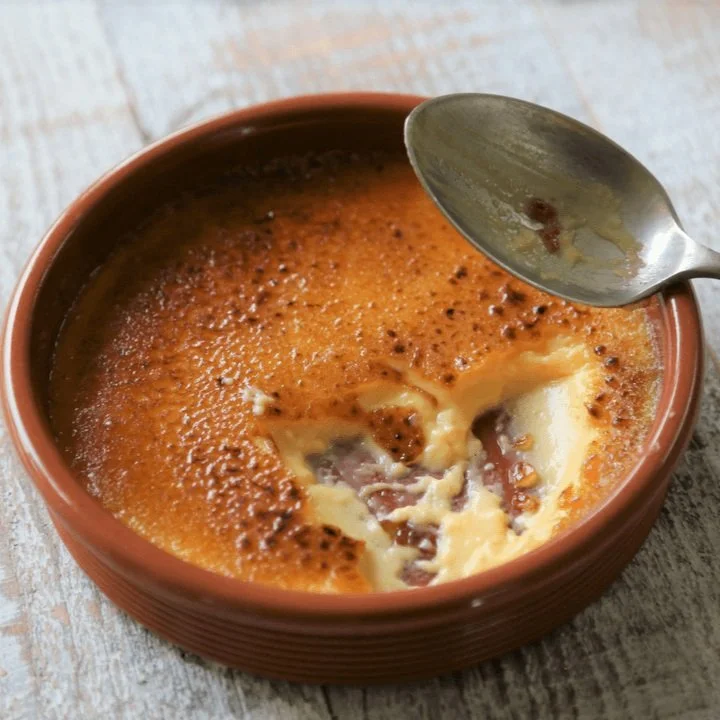
French Crème Brûlée: Mastering the Original Recipe & The Art of Flambé Without a Torch
The world of French patisserie is adorned with countless masterpieces, but few captivate the senses quite like the legendary Crème Brûlée. A symphony of textures and flavors, this classic dessert enchants with its silky-smooth vanilla custard base, crowned by a perfectly brittle, caramelized sugar crust that yields with an irresistible "crack." It's a dessert that speaks of elegance and indulgence, often perceived as the domain of professional chefs. However, the truth is, creating this exquisite French delight in your own kitchen is entirely achievable, even for the home cook. This comprehensive guide will walk you through the authentic Crème Brûlée recipe (or "Creme Brulee Rezept," as many search for it), revealing the secrets to its perfection and offering ingenious ways to achieve that signature brûléed top without the need for a special torch.
The Allure of Crème Brûlée: A Culinary Masterpiece
Crème Brûlée, literally translating to "burnt cream," is more than just a dessert; it's an experience. Originating in France, though variations exist across Europe, its enduring popularity lies in its deceptive simplicity and profound satisfaction. Each spoonful begins with the satisfying shatter of the caramelized sugar, giving way to a cool, rich, vanilla-infused cream that melts in your mouth. This contrast—hot and cold, crunchy and creamy, bitter and sweet—is what makes Crème Brûlée so utterly irresistible. It's a dish that elevates any meal, perfect for a cozy winter evening or a celebratory summer gathering. Its timeless appeal has made it a staple on menus worldwide, symbolizing gourmet sophistication that, surprisingly, can be recreated with basic ingredients and a little patience.
French Crème Brûlée: The Original Recipe Demystified
Embracing the original French Crème Brûlée recipe means prioritizing quality ingredients and precise technique. The beauty of this dessert lies in its pure, unadulterated flavors, where vanilla truly shines.
Essential Ingredients:
- 6 large Egg Yolks: These provide the rich color and creamy texture.
- 500 ml Heavy Cream (Sahne): The backbone of the custard, ensuring richness.
- 100 ml Whole Milk: A touch of milk lightens the cream slightly without sacrificing decadence.
- 1 Vanilla Bean: The heart of the flavor. Opt for a plump, fragrant bean. Alternatively, 1-2 teaspoons of good quality vanilla extract or paste can be used, but a fresh bean offers unparalleled depth.
- 75-100 g Granulated Sugar: For sweetening the custard. Adjust to your preference.
- Extra 4-6 tablespoons Brown Sugar (or granulated sugar): For the caramelized crust. Brown sugar offers a slightly richer, more complex flavor.
Recommended Equipment:
The right tools make all the difference, especially when mastering a classic like Crème Brûlée.
- Ramekins: This is crucial! You'll need 4-6 shallow, oven-safe ceramic ramekins. Ideally, they should be about 10-12 cm in diameter and no more than 4 cm high. Their shallow design ensures even cooking and a generous surface area for the caramelized sugar crust.
- Large Roasting Pan or Baking Dish: For the water bath (bain-marie).
- Whisk or Hand Mixer: For combining ingredients.
- Fine-mesh Sieve: To strain the custard for an extra smooth texture.
Step-by-Step Preparation:
- Prepare the Vanilla: Carefully slice the vanilla bean lengthwise and scrape out the fragrant seeds using the back of a knife. Place the seeds (and the pod, if desired, for extra infusion) into a medium mixing bowl.
- Combine Custard Base: To the bowl with the vanilla seeds, add the egg yolks, granulated sugar, heavy cream, and whole milk. Whisk everything together thoroughly until well combined and the sugar has dissolved. Do not over-whisk, as incorporating too much air can lead to a frothy texture.
- Strain for Silkiness: For an incredibly smooth, restaurant-quality custard, pass the mixture through a fine-mesh sieve into a clean jug or pouring vessel. This removes any unmixed egg bits, vanilla pod fragments, or air bubbles.
- Fill the Ramekins: Carefully pour the custard mixture into your prepared ramekins, filling each almost to the brim.
- The Crucial Water Bath (Bain-Marie): Place the filled ramekins into a large roasting pan or baking dish. Carefully pour hot (not boiling) water into the roasting pan, ensuring it comes halfway up the sides of the ramekins. This water bath is essential for even, gentle cooking, preventing the custard from curdling or developing cracks, resulting in that desirable "wiggle" when lightly shaken.
- Bake to Perfection: Preheat your oven to 120°C (250°F) convection/fan or 150°C (300°F) conventional. Carefully transfer the roasting pan with the ramekins and water bath to the preheated oven. Bake for approximately 40-50 minutes. The custard is done when the edges are set, but the center still has a slight jiggle, similar to a very soft jelly. It should not be as firm as pudding.
- Cool and Chill: Carefully remove the roasting pan from the oven. Let the ramekins cool in the water bath for about 15-20 minutes, then gently lift them out. Allow them to cool completely at room temperature before transferring them to the refrigerator. Chill for at least 1-2 hours, or preferably longer (up to 24 hours), to allow the custard to fully set and firm up. This chilling step is vital for the perfect Crème Brûlée, ensuring it's cold enough for the caramelization process.
For more detailed insights and advanced techniques, be sure to check out our guide on
Master the Classic Crème Brûlée Recipe at Home.
The Signature Crack: Flambéing Without a Torch
The dramatic "crack" of the caramelized sugar is the hallmark of Crème Brûlée. While a kitchen torch is the traditional tool, fear not if you don't own one. There are excellent alternatives to achieve that beautiful, brittle crust.
The Torch Method (If You Have One):
If you possess a kitchen torch, ensure your Crème Brûlée is thoroughly chilled. Sprinkle about 1 tablespoon of brown sugar (or granulated sugar) evenly over the surface of each custard. Hold the torch a few inches above the sugar and move it in a circular motion, heating the sugar until it melts, bubbles, and turns a rich amber-brown. Be careful not to burn it. Let it cool for a minute to harden.
The Oven Grill Method (No Torch Needed!):
This is an incredibly effective alternative, highlighted in many traditional "Creme Brulee Rezept" guides.
- Ensure Maximum Chill: This step is critical. Your Crème Brûlée must be *very* well chilled—straight from the refrigerator, ideally having rested for several hours. This prevents the custard from heating up too much and becoming liquid again under the intense heat.
- Preheat the Grill: Position an oven rack on the highest setting, typically 4-6 inches from the heating element. Preheat your oven's grill (broiler) to its highest setting for at least 10 minutes until it's glowing hot.
- Sugar Application: Just before placing them under the grill, sprinkle 1 to 1.5 tablespoons of brown sugar (or granulated sugar) evenly over the surface of each chilled Crème Brûlée. A thin, even layer works best.
- Caramelize with Vigilance: Place the sugared ramekins directly onto a baking sheet (this makes them easier to handle) and slide them carefully under the preheated hot grill. Stay watchful! The sugar will caramelize very quickly—often in just 1-3 minutes. Rotate the baking sheet if necessary to ensure even browning. Remove them as soon as the sugar has melted, bubbled, and turned a deep amber color. Avoid burning, which will create a bitter taste.
- Set the Crust: Immediately remove the ramekins from under the grill. Allow the caramelized sugar to cool and harden for a few minutes at room temperature before serving. The sugar will become crisp as it cools.
The science behind this method is simple: the intensely hot grill quickly melts and caramelizes the thin layer of sugar before the cold custard underneath has a chance to warm up significantly.
Elevate Your Crème Brûlée: Variations and Expert Tips
While the original Crème Brûlée is pure perfection, its versatility allows for delightful variations that can cater to different tastes and seasons.
Creative Flavorings:
- Citrus Zest: Infuse the cream mixture with finely grated lemon or orange zest for a bright, aromatic twist. Remove the zest before straining.
- Spices: A pinch of cinnamon, nutmeg, or cardamom added to the cream mixture can introduce a warm, comforting note, making it an excellent choice for a holiday or winter dessert.
- Coffee or Chocolate: For a more decadent treat, infuse the cream with coffee beans, or melt in high-quality chocolate before straining.
Sugar Crust Enhancements:
Beyond just brown sugar, you can experiment with the topping:
- Flavored Sugar: Mix a tiny pinch of sea salt, cinnamon, or a bit of orange/lemon zest into your brown sugar before sprinkling for caramelization.
- Demerara Sugar: Its larger crystals create a particularly robust and crunchy crust.
Serving & Decoration:
Once your Crème Brûlée is perfectly set and caramelized, presentation adds to the experience.
- Fresh Berries: A scattering of raspberries, blueberries, or sliced strawberries adds freshness and a pop of color.
- Edible Flowers or Herbs: Delicate petals or a sprig of mint can elevate the visual appeal.
- Nuts or Praline: Chopped toasted nuts or a sprinkle of homemade croquant (nut brittle) offer another layer of texture.
Understanding Similar Desserts:
It's worth noting the subtle differences between Crème Brûlée and its close relatives:
- Crème Brûlée (France): Typically made with egg yolks, heavy cream, some milk, and sugar.
- Crema Catalana (Spain): Often similar but traditionally made only with milk (no cream) and frequently flavored with lemon or orange zest and cinnamon. It's often thickened with cornstarch and can be caramelized with a hot iron, not always a torch.
- Flan & Crème Caramel (France/Spain): These are usually baked with a liquid caramel base at the bottom of the mold, which becomes a sauce when inverted. They are often made with whole eggs and milk, and while similar in texture, they generally lack the hard caramelized sugar crust.
To explore more innovative ideas and troubleshoot common issues, delve into
Perfect Crème Brûlée: Tips for Success & Easy Variations.
Conclusion
Crème Brûlée, with its enchanting blend of creamy vanilla custard and crisp caramelized sugar, is a dessert that truly embodies the spirit of French culinary artistry. As this guide demonstrates, mastering the original Crème Brûlée recipe and achieving that iconic "crack" is well within your grasp, even without a specialized kitchen torch. By following these detailed steps and embracing the ingenious oven grill method, you can confidently create a restaurant-quality dessert that will impress and delight. So go ahead, gather your ingredients, take your time, and prepare to indulge in the irresistible charm of homemade French Crème Brûlée – a timeless treat that promises a moment of pure bliss with every spoonful.