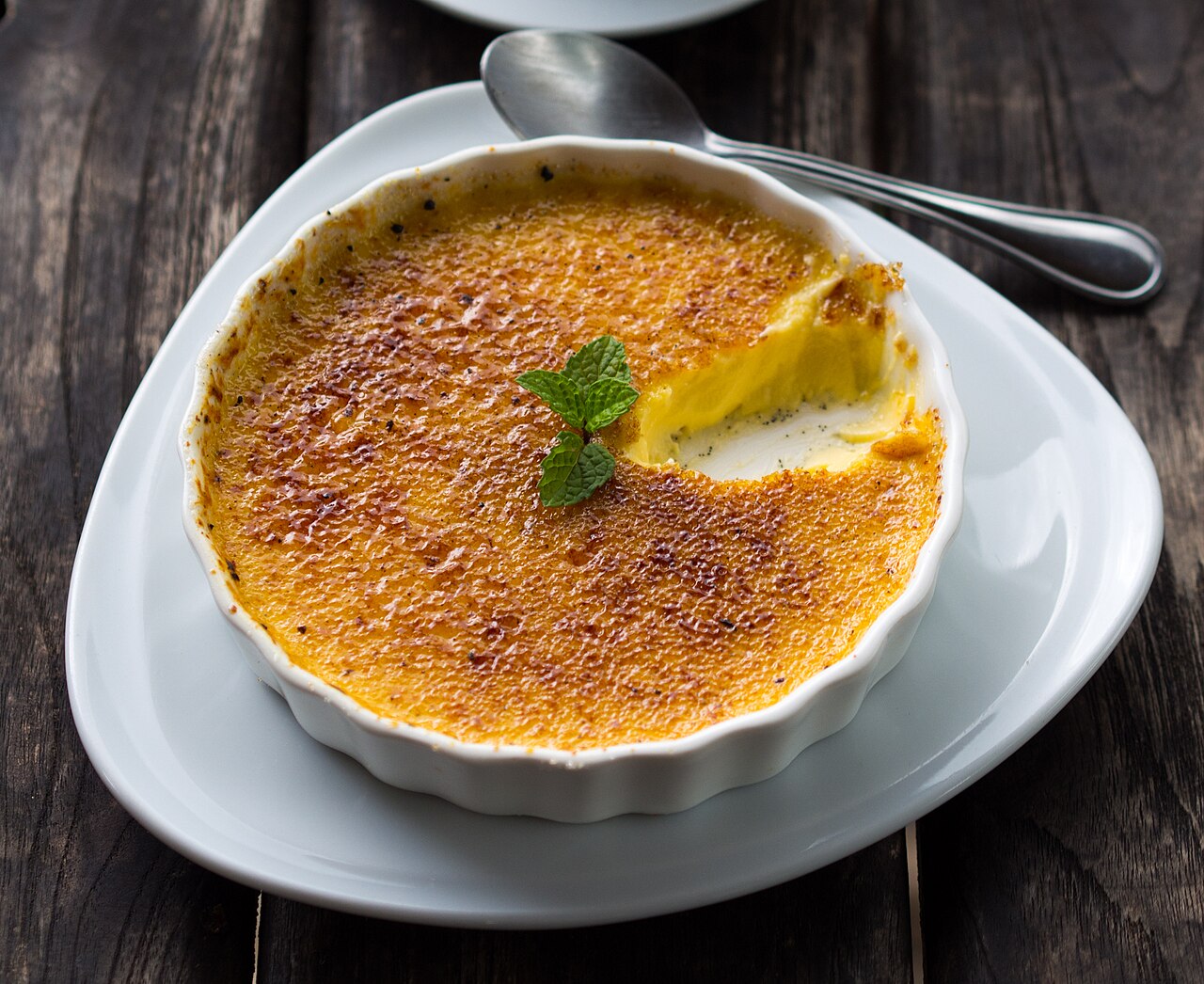
Master the Classic Crème Brûlée Recipe at Home: Your Guide to French Perfection
There are few desserts that capture the essence of elegance and indulgence quite like Crème Brûlée. With its rich, creamy vanilla custard base hidden beneath a shatteringly crisp, caramelized sugar crust, it's a symphony of textures and flavors that delights with every spoonful. While it may seem like a creation reserved for the finest French bistros, mastering the classic
Creme Brulee Rezept at home is entirely within your reach. This comprehensive guide will walk you through every step, ensuring you achieve that perfect "crack" and velvety interior, transporting your taste buds straight to France.
The Allure of Cr��me Brûlée: A French Classic Reimagined
The name "Crème Brûlée" literally translates to "burnt cream," a charmingly rustic description for a dessert that is anything but. Originating in France, this iconic sweet has captivated palates for centuries. Its enduring popularity stems from a simple yet profound contrast: the coolness and smoothness of the vanilla-infused custard playing against the warmth and brittle sweetness of the burnt sugar top. It's a dessert that engages all senses, from the gentle aroma of vanilla to the satisfying sound of the spoon breaking through the caramel, leading to an utterly luxurious bite. Whether served as an elegant end to a special dinner or a comforting treat on a cold evening, Crème Brûlée is a timeless classic that promises a moment of pure bliss.
Essential Ingredients for Your Perfect Crème Brûlée Rezept
Creating an exceptional Crème Brûlée begins with high-quality ingredients. While the recipe is deceptively simple, each component plays a crucial role in achieving that signature taste and texture.
- Egg Yolks: These are the heart of your custard, providing richness, color, and a silky texture. Always separate them carefully.
- Heavy Cream & Milk: The classic Creme Brulee Rezept often uses a combination of both, with heavy cream contributing to the luxurious mouthfeel and milk lightening it slightly. You can adjust the ratio – more cream means a richer, denser custard. Some variations even use Crème fraîche or Crème double for an extra decadent touch.
- Granulated Sugar: For the custard, this sweetens and helps stabilize the mixture. For the crust, brown sugar is typically preferred for its deeper flavor and ideal caramelization properties.
- Vanilla: This is the star flavor! A fresh vanilla bean, with its fragrant seeds scraped directly into the cream mixture, offers the most authentic and intense vanilla experience. If a bean isn't available, good quality vanilla extract or paste can be used, though the flavor will be less nuanced.
The key here is balance. While you can vary the liquid components, maintaining the correct ratio of liquid to egg yolks is vital for the custard to set properly.
Step-by-Step Guide: Mastering the Crème Brûlée Recipe
Embarking on your homemade Cr��me Brûlée journey is straightforward once you understand the core techniques. Follow these steps to achieve dessert perfection.
Preparing the Silky Custard Base
- Scrape the Vanilla: Slice a vanilla bean lengthwise and use the back of a small knife to scrape out the tiny, fragrant seeds. Place these directly into a medium mixing bowl.
- Combine Wet & Sweet: Add the egg yolks, granulated sugar, heavy cream, and milk to the bowl with the vanilla seeds. Using a whisk or a hand mixer on low speed, gently combine all ingredients until just homogenous. Be careful not to incorporate too much air, as this can lead to a foamy or bubbly custard. For an even silkier texture, you can strain the mixture through a fine-mesh sieve to remove any bits of vanilla bean or unmixed egg.
The Art of the Water Bath and Baking
- Prepare Ramekins: For optimal results, use shallow, oven-safe ramekins. A diameter of 10-12 cm and a height of no more than 4 cm is ideal, as this allows for even cooking and a generous surface area for the caramelized crust. Distribute the custard mixture evenly into these ramekins.
- Set Up the Water Bath: This is a crucial step for achieving a smooth, evenly cooked custard without curdling. Place your filled ramekins into a larger, deep baking dish or roasting pan. Carefully pour hot water into the larger pan until it comes halfway up the sides of the ramekins.
- Bake to Perfection: Preheat your oven to a gentle 120°C (250°F) using the convection setting if available. Carefully transfer the baking pan with the water bath and ramekins to the oven. Bake for approximately 40 to 50 minutes. The Crème Brûlée is ready when the edges are set, but the center still has a slight wobble when gently shaken. It should not be firm like pudding.
- Cool and Chill: Carefully remove the baking pan from the oven. Allow the ramekins to cool in the water bath for a bit, then transfer them to a wire rack to cool completely at room temperature. Once cool, cover them lightly with plastic wrap and refrigerate for at least 1-2 hours, or ideally, overnight. Chilling is essential for the custard to fully set and for the caramelization process to work effectively.
Achieving the Signature Caramelized Crust
- Sugar the Top: Just before serving, remove the chilled Crème Brûlée from the refrigerator. Sprinkle about one tablespoon of brown sugar (or granulated sugar for a lighter flavor) evenly over the surface of each custard.
- Caramelize with Flair: The most dramatic and effective way to create the crackly crust is with a kitchen torch (gas burner). Hold the torch a few inches above the sugar and move it in a circular motion until the sugar melts, bubbles, and turns a rich amber color. Be careful not to burn it!
- No Torch? No Problem! If you don't have a kitchen torch, you can achieve a similar effect under your oven's broiler (grill). Ensure your oven is preheated to its highest broiler setting. Place the sugar-topped Crème Brûlée ramekins on a baking sheet, ideally as far from the heat source as possible while still under the broiler. Watch them *very* closely – caramelization happens quickly, and they can burn in seconds. The key here is to ensure the Crème Brûlée is thoroughly chilled before exposing it to the hot broiler, as this prevents the custard from warming up and melting while the sugar caramelizes. For more in-depth tips on this technique, check out our article: French Crème Brûlée: Original Recipe & Flambé Without a Torch.
Serve immediately, enjoying the satisfying "crack" as your spoon breaks through the caramelized crust to reveal the smooth custard beneath.
Beyond the Classic: Tips for Success & Creative Variations
While the classic
Creme Brulee Rezept is a masterpiece in itself, a few expert tips can elevate your homemade dessert from great to extraordinary.
- Don't Overbake: Overbaked custard will be rubbery or curdled. The gentle wobble is your friend!
- Chill Thoroughly: Patience is a virtue here. A well-chilled custard ensures a perfect texture and prevents the custard from overheating during caramelization.
- Caramelize Just Before Serving: The crust is at its best when freshly caramelized. It will soften if left to sit for too long.
- Strain for Smoothness: As mentioned, straining the custard mixture before pouring it into ramekins helps remove any lumps and ensures an incredibly silky texture.
Don't be afraid to experiment with variations to truly make this dessert your own.
Custard Flavor Enhancements:
- Infuse the cream with citrus zest (lemon or orange), cinnamon sticks, star anise, cardamom, or even a hint of espresso powder for a coffee Crème Brûlée.
- Add a layer of fruit puree (like passion fruit or raspberry) to the bottom of the ramekin before pouring in the custard.
Crust Innovations:
- Mix a pinch of sea salt, cinnamon, or a fine citrus zest into your sugar before caramelizing for an extra layer of flavor.
- Use a flavored sugar (like demerara sugar or turbinado sugar) for a slightly different caramel profile.
Elegant Garnish Ideas:
Crème Brûlée vs. Its Cousins: A Quick Comparison
It's easy to confuse Crème Brûlée with similar desserts like Crema Catalana, Flan, or Crème Caramel, but there are distinct differences. The French Crème Brûlée, typically made with egg yolks, cream, a little milk, and sugar, stands apart. Spain's Crema Catalana, while similar in preparation, is traditionally made *only* with milk and often flavored with citrus zest and cinnamon. Flan and Crème Caramel, also popular sweet custards from Spain and France respectively, are usually prepared with whole eggs or egg yolks and milk, often containing starch and not always served with the signature crunchy, burnt sugar crust of a Crème Brûlée. The satisfying "crack" is what truly sets our beloved Crème Brûlée apart.
Indulge in Homemade Excellence
Embarking on the journey to master the classic
Creme Brulee Rezept at home is a rewarding experience. The process, while requiring a gentle touch and a bit of patience, culminates in a dessert that is truly impressive and deeply satisfying. From the creamy vanilla base to the audibly crisp caramelized top, every element works in harmony to create an unforgettable treat. So, gather your ingredients, follow these steps, and prepare to delight yourself and your guests with this timeless French classic. Enjoy every luxurious, crackling bite!